
Why Art Matters for Older Adults Living with Mild Dementia
Discover how shared hobbies can deepen emotional bonds and transform relationships, offering a path to meaningful connections through mutual interests.

Contents
Why Art Matters for Older Adults Living with Mild Dementia
Research shows creative activities such as painting and art therapy may support memory, wellbeing, confidence, and social connection in older adults experiencing cognitive decline.
There’s Something Powerful About Creativity
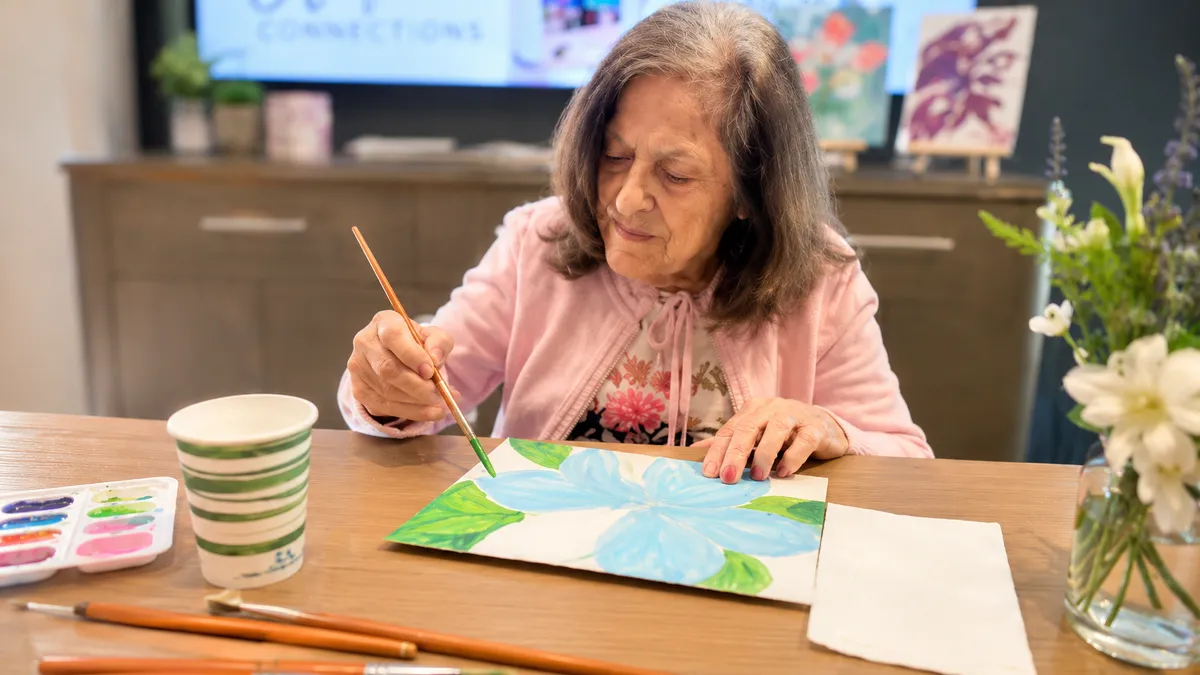
There’s something quietly powerful that happens when an older person sits down with a paintbrush.
The conversation slows down. Anxiety softens. Memories sometimes surface unexpectedly. For a little while, the pressure to “remember” fades away and is replaced by something much more important - connection, calm, creativity, and simple enjoyment.
For many families living with mild dementia or cognitive decline, those moments matter deeply.
What’s becoming increasingly clear is that this isn’t just emotional observation or wishful thinking. A growing body of international research now shows that creative activities such as painting, drawing, music, and storytelling can genuinely support older adults living with mild dementia or Mild Cognitive Impairment (MCI).
Researchers have found benefits in areas including:
- memory and cognitive stimulation
- mood and anxiety reduction
- social connection
- communication and emotional expression
- confidence and sense of identity
- overall wellbeing and quality of life
Dementia Is About More Than Memory
When most people hear the word dementia, they immediately think about forgetfulness.
But dementia can also affect confidence, motivation, communication, independence, and emotional wellbeing. Many older adults gradually stop participating in activities they once loved because they worry about getting things wrong or feeling embarrassed.
Art works differently.
There is no test. No pressure. No right or wrong answer.
A person does not need perfect memory to enjoy colour, conversation, creativity, or the feeling of making something with their own hands.
That’s one reason creative activities are increasingly being used in aged care programs, dementia support services, hospitals, and community wellbeing initiatives around the world.
What the Research Is Showing
A 2026 review published in Frontiers in Public Health found that visual art therapy improved overall cognition in older adults living with Mild Cognitive Impairment. Researchers also noted improvements in memory, mood, and day-to-day functioning.
Other studies have found that creative activities may help older adults:
- stay mentally engaged
- reduce feelings of anxiety and depression
- communicate more easily
- reconnect with memories
- experience greater social connection
- improve overall quality of life
Researchers think art helps because it combines several important things at once, mental stimulation, emotional expression, sensory engagement, social interaction, and simple enjoyment.
In other words, art engages the whole person, not just the memory centres of the brain.
The Australian Perspective
Dementia Australia also recognises the value of creative arts for people living with dementia.
According to Dementia Australia, creative activities can provide:
- cognitive stimulation
- emotional expression
- social connection
- physical engagement
- a stronger sense of identity and purpose
That idea of “purpose” matters.
People living with mild dementia still want meaningful experiences. They still want to contribute, connect, laugh, share stories, and feel part of the world around them.
Art creates space for that.
Creativity Can Reach Places Words Sometimes Cannot
One of the beautiful things about art is that it allows people to communicate without relying entirely on words or memory.
A colour, a familiar landscape, or a simple painting activity can sometimes unlock stories and emotions that have been sitting quietly in the background.
Families and carers often describe these moments as unexpectedly emotional, not because someone suddenly remembers everything, but because they reconnect, even briefly, with parts of themselves that still remain very much alive.
And often, the activity itself becomes less important than the experience of simply sitting together at a table, sharing time without pressure.
What Deb Sees Inside Aged Care Communities
Debra Shapiro, founder of Artful Connections and a qualified art therapist, sees this regularly when working within aged care communities across Brisbane.
“Quite often, residents who are initially hesitant or withdrawn begin relaxing once the painting starts. Conversations begin naturally around the table, memories surface, and people who may not normally engage start encouraging each other and sharing stories.
It’s not about creating the perfect artwork - it’s about connection, confidence, and creating a calm, positive experience together.”
Art Supports Emotional Wellbeing Too
Living with dementia can be frustrating and frightening, particularly in the earlier stages when a person is aware things are changing.
Research has shown that creative programs may help reduce anxiety, improve mood, and encourage social interaction in older adults experiencing cognitive decline.
That doesn’t mean art is a cure for dementia. It isn’t.
But it can be a gentle, practical way to support wellbeing alongside other care and support strategies.
And sometimes, those small moments of calm, confidence, and connection can make a very real difference, both for the person living with dementia and for the people who love them.
The Goal Isn’t Perfection
At Artful Connections, we believe creativity should feel accessible, calming, and enjoyable, especially for older adults who may feel uncertain about trying something new.
The goal is never artistic perfection.
The goal is connection.
Connection to memories.
Connection to conversation.
Connection to family.
Connection to self.
And sometimes, connection to joy.
What Dementia Cannot Take Away
In a world that often focuses on what dementia takes away, art reminds us there is still so much that remains:
- imagination
- personality
- humour
- creativity
- emotion
- connection
Sometimes all it takes is a paintbrush, a quiet table, and someone willing to sit beside them.
Research & Sources
- Frontiers in Public Health - Visual art therapy and Mild Cognitive Impairment research
- Frontiers in Psychology - Arts engagement and cognitive decline studies
- Nature Scientific Reports - Art-based dementia intervention outcomes
- *Dementia Australia -Creative arts and dementia wellbeing resources
- SAGE Journals - Visual art therapy and emotional wellbeing in ageing populations
- Cochrane / PubMed Central - Reviews of art therapy and dementia support research